Choosing the Right Electric Motor
A practical guide to help you select the best motor for your application.
Why Motor Selection Matters
Selecting the right motor ensures your equipment runs efficiently, reliably and safely. The wrong choice can lead to reduced service life, increased downtime and higher operating costs.
Motors are typically identified by a plate attached to the casing — this shows basic specifications but doesn’t always tell the full story. Use this guide to understand what the numbers and terms really mean.
AC vs DC — Start With the Power Type
AC (Alternating Current) motors:
- Highly efficient and quiet
- Available in single-phase and three-phase variants
- Common in industrial environments
DC (Direct Current) motors:
- Good for variable speed requirements
- Typically single-phase only
- Ideal for applications needing precise control
Single-Phase or Three-Phase?
Single-phase:
- Simple design and easier to install
- Fine for light industrial or household equipment (pumps, fans, conveyors)
Three-phase*:
- Better suited to heavy industrial loads
- More complex but delivers higher power and efficiency
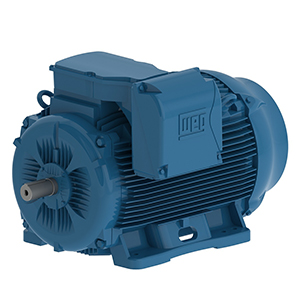
Housing Material – Aluminium or Cast Iron?
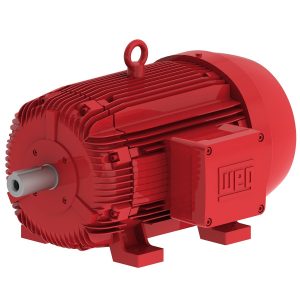
Aluminium motors:
- Lightweight and easier to install
- Better heat dissipation
- Less prone to corrosion
Cast Iron motors:
- More durable and rugged
- Better suited to harsh environments
- Heavier and harder to install
Speed (RPM) and Poles
Motor speed is measured in revolutions per minute (RPM) and is influenced by the number of poles and power supply frequency. More poles generally mean more torque at lower speeds.
For example (on 50 Hz supply):
- 2-pole ≈ 3000 RPM
- 4-pole ≈ 1500 RPM
- 8-pole ≈ 750 RPM
Power Rating — Match to Your Load
The power rating (in kW or HP) determines how much work the motor can perform.
Selecting a motor with too low a power rating can overload the motor; too high and you waste energy and cost.
Shaft Size & Compatibility
Ensure the shaft diameter and length match the driven equipment.
Correct shaft fitment affects alignment, vibration and overall service life.
Mounting Options
Choosing the right mount ensures stable installation and reduces vibration.
Common mounting styles include:
- Foot mount
- Flange mount
- Multi-mount options
Naming & Motor Codes
Different manufacturers use specific codes to describe features like capacitor types or performance characteristics.
Understanding these codes helps ensure you order the correct configuration.
Other Practical Considerations
Rotation direction:
Many motors are fixed to rotate in one direction (clockwise or counter-clockwise). Make sure this suits your application.
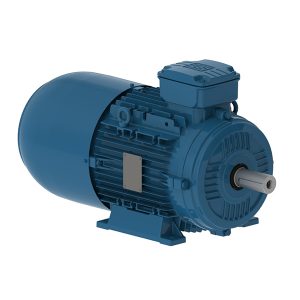
Braked motors:
If you need to hold the load when stopped, choose a model with an integrated brake.
Special environments:
Hazardous areas (e.g. explosive atmospheres) may require flameproof or dust-ignition-protected motors.
Protection, Safety & Setup Reminders
- Confirm the correct IP rating for dust and water protection.
- Ensure electrical connections, starters and overload protection are correctly sized.
- Avoid obstructing cooling systems — good airflow extends motor life.
- Installation should always be carried out by qualified personnel.
These costs often go unnoticed because they are absorbed into general maintenance or downtime, rather than being traced back to the coupling itself.
Featured Products

Related Products